


Ayurveda, Navaratri & the Seasonal Reset
When the rains retreat and the heat returns, Ayurveda asks us to change with the season.
Have you noticed that around September–October you or your family may experience more:
- acidity or heartburn
- bloating or digestive discomfort
- headaches
- excessive thirst or sweating
- skin flare-ups
- disturbed sleep
- irritability
- changes in appetite
- a feeling of internal heat
What if some of these changes are not completely random?
Ayurveda has a beautiful concept called Ritucharya — adapting our food and lifestyle according to the season.
And Sharad Ritu, the autumn season following the monsoon, is particularly important because Pitta Dosha is considered prone to aggravation during this period.
Instead of waiting for imbalance to appear, Ayurveda encourages us to make small seasonal adjustments.
When Is Sharad Ritu?
In the traditional Ayurvedic seasonal framework, Sharad Ritu follows Varsha Ritu, the rainy season.
Classical references commonly place Sharad approximately from mid-September to mid-November. In the Indian national calendar, Sharad corresponds broadly to Bhadrapada and Ashvin.
The exact seasonal experience varies with geography, climate and yearly weather patterns, so Ritucharya should not be treated as a rigid date-based prescription.
And this is where something beautiful happens.Right in the heart of this seasonal transition comes:
Sharadiya Navaratri

Navaratri — A Seasonal Opportunity for Reset
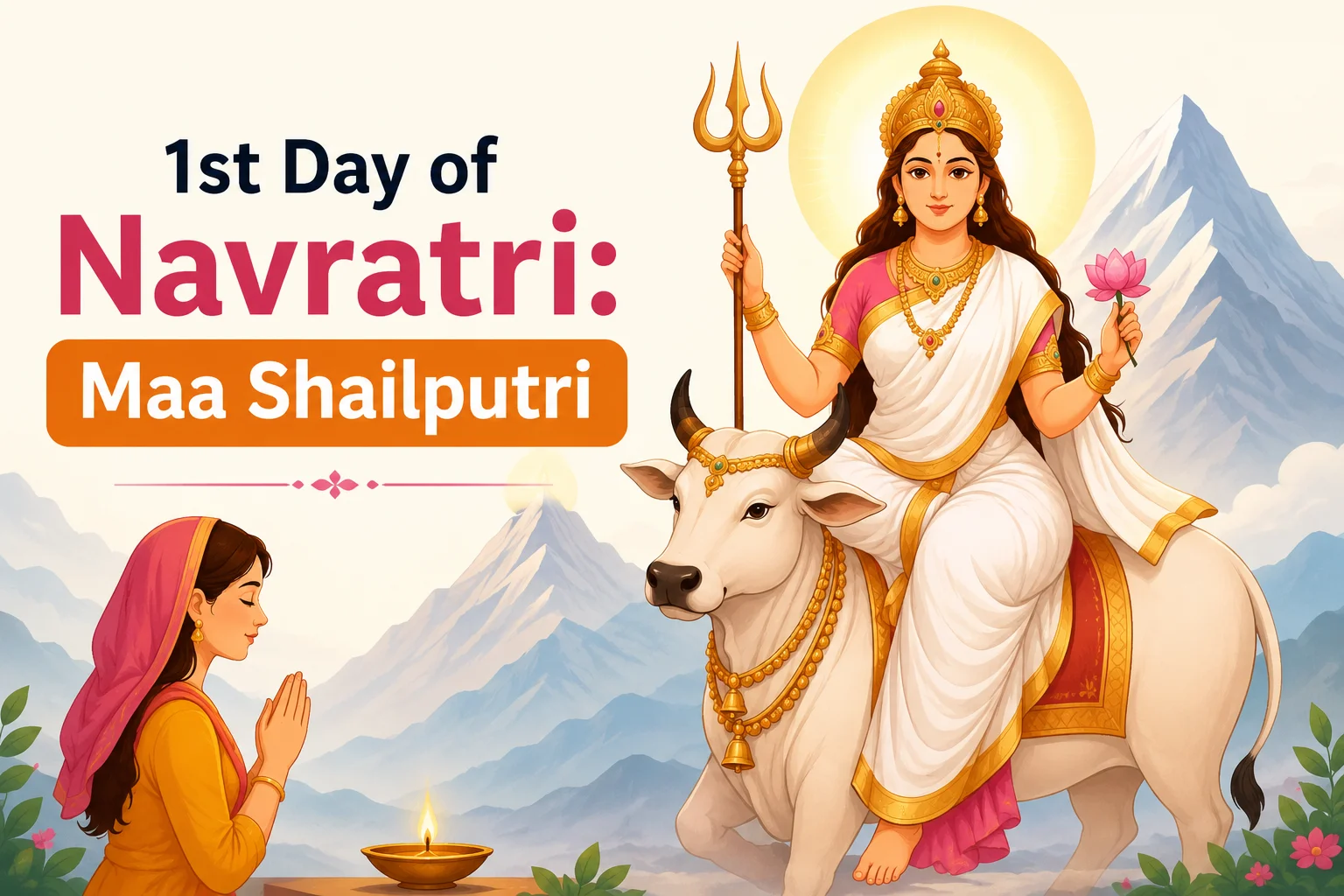
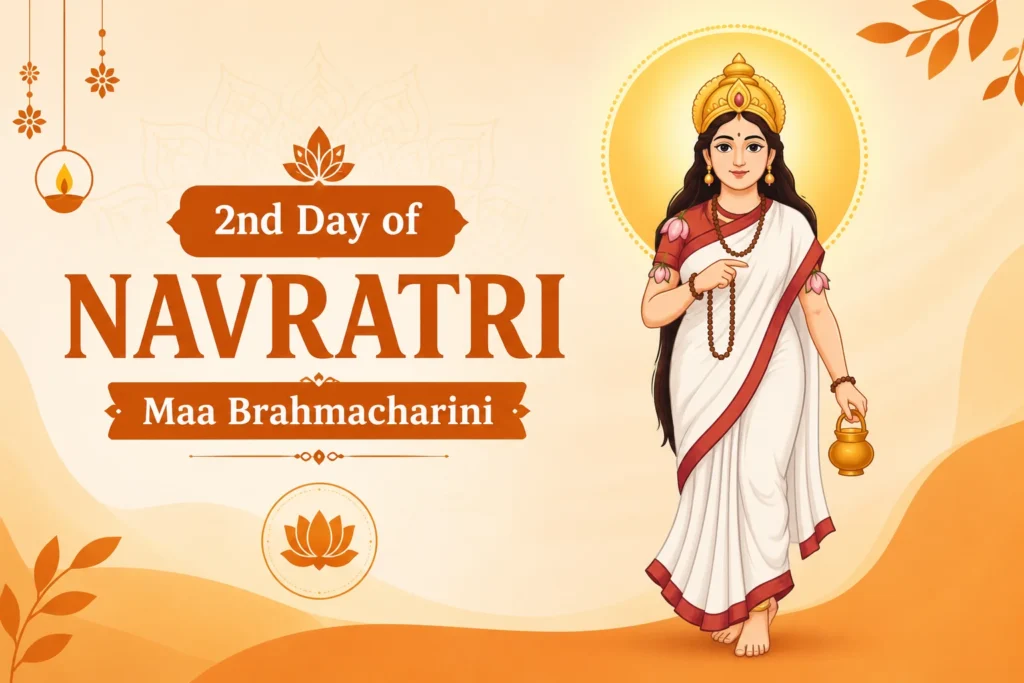
In 2026, Sharad Navaratri begins on 11 October, continues through 19 October, and culminates in Vijayadashami on 20 October. It occurs during the Sharad season.
For generations, people across India have observed fasting, dietary restrictions, reduced indulgence, prayer and increased spiritual practices during Navaratri.
Although the classical Ayurvedic texts do not prescribe “Navaratri fasting” as a formal component of Sharad Ritucharya, it takes place during the same seasonal transition and creates an interesting opportunity.
A traditional period of dietary restraint and spiritual discipline coincides with a season in which Ayurveda recommends reducing excess and supporting Pitta balance.
This is where we can bring the wisdom of the two traditions together—without confusing religious fasting with a medical detox.
Why Does Pitta Need Attention in Sharad?
During Varsha Ritu, Pitta is considered to accumulate.As the rains recede and the sun becomes stronger, this accumulated Pitta can become aggravated.
Pitta represents principles associated with:
- digestion
- transformation
- metabolism
- clarity
- understanding
When balanced, these qualities are beneficial.When aggravated, people may experience:
- acidity or burning
- excessive thirst
- increased sweating
- skin irritation
- headaches
- irritability
- disturbed sleep
- digestive discomfort
These symptoms can have many medical causes, so persistent symptoms should always be appropriately evaluated.But Ayurveda’s approach is beautifully preventive:Don’t wait for imbalance to become disease. Adapt your lifestyle with the season.
The Sharad Formula
You don’t need an extreme detox.
Think of Sharad Ritucharya as:
LIGHTEN • COOL • NOURISH • DIGEST • RESTORE
Eat simply.Protect Agni.Reduce excess heat.Move moderately.Sleep adequately.Calm the mind.
1. Eat With the Season
Choose fresh, seasonal and relatively easy-to-digest foods.Traditional Sharad-friendly choices include:
- rice
- barley
- wheat where appropriate
- green gram/moong
- pumpkin
- bottle gourd
- ridge gourd
- ash gourd
- suitable leafy vegetables
- pomegranate
- amla
- coconut
- suitable seasonal fruits
A simple modern plate can be:
½ vegetables
¼ grain
¼ dal/moong or another suitable protein
Add a small amount of ghee according to your individual needs and digestion.The goal is not to eat as little as possible.The goal is to eat enough without creating heaviness.
 2. Reduce Unnecessary Heat
During Sharad, reduce excessive:
- chilli and very spicy food
- deep-fried foods
- heavy oily meals
- excessive sour and salty foods
- alcohol
- excessive caffeine
- restaurant food
- overeating
You don’t have to completely eliminate every spicy food.The principle is:Don’t keep adding fuel when the season itself is already warm.
What About Curd?
Classical seasonal recommendations advise avoiding dadhi (curd) during Sharad.This doesn’t mean curd is universally harmful or that everyone must permanently eliminate it.Ayurveda always asks us to consider:Prakriti + Agni + Vikriti + individual tolerance.Where appropriate, a lighter diluted buttermilk preparation may be considered.
 3. Protect Your Agni
A seasonal reset does not mean starving.Ayurveda emphasizes eating when there is genuine appetite and avoiding excessive intake.Try this simple rule:
Hunger → Eat
Satisfaction → Stop
No hunger → Don’t snack simply because food is available.
This is especially relevant today, when continuous snacking has become normal.
 4. Keep Dinner Light
Your digestive system does not need its biggest meal at bedtime.
Try:
- light khichdi
- vegetable soup
- rice with moong and vegetables
- lightly cooked vegetables
- suitable millet preparations
And give yourself adequate time between dinner and sleep.
 5. Respect the Sharad Sun
Classical Sharad guidance includes avoiding excessive exposure to strong sunlight.Practically:Prefer exercise during the morning or evening.Avoid unnecessary exposure during the hottest part of the day.This is particularly relevant if you experience heat-triggered headaches, excessive sweating, skin sensitivity or fatigue in hot weather.
 6. Move — But Don’t Overheat
Sharad is not a season for becoming sedentary.But movement should leave you feeling energised rather than exhausted.
Choose:
- walking
- yoga
- mobility exercises
- moderate strength training
- gentle Surya Namaskar
- recreational activity
The goal is movement, not exhaustion.
 7. Cool the Mind
We often think about Pitta only as physical heat.But modern life creates enormous mental heat:Deadlines.Notifications.Arguments.Social media.Work pressure.Constant comparison.So make conscious breathing part of your Sharad routine.Try:
5 minutes of slow, comfortable breathing every day.
Also create at least one period of quiet during your day.
 8. Try a Digital Sunset
Ayurveda did not have smartphones, but the principle of avoiding excessive stimulation is remarkably relevant.For one hour before sleep:
- no scrolling
- no unnecessary WhatsApp
- no news
- no work emails
Instead:
- read
- pray
- meditate
- journal
- sit quietly
Your mind also needs time to digest the day.
 Navaratri Fasting — Can It Be Part of a Sharad Reset?
This is where our traditional wisdom becomes especially interesting.Navaratri fasting is not the same thing as classical Sharad Ritucharya, but it takes place during Sharad and traditionally encourages:
- dietary restraint
- simpler foods
- reduced indulgence
- mindful eating
- prayer
- discipline
- introspection
So rather than treating Navaratri fasting as a crash diet, we can view it as:
A Cultural Opportunity for Conscious Simplification
But fasting should never become starvation.
Fasting is not:
- surviving on only water
- eating unlimited fried vrat foods
- replacing meals with packaged snacks
- excessive sweets
- ignoring dizziness or weakness
- trying to lose weight rapidly
Instead:
Simple food + fewer unnecessary eating occasions + mindful portions + early dinner + spiritual practice
For some people, traditional fasting foods such as suitable fruits, root vegetables, sama/barnyard millet, rajgira or other regionally accepted fasting foods may be incorporated.But individual needs differ.
People who are pregnant or breastfeeding, children, those with diabetes or other medical conditions, people who are underweight, those with a history of eating disorders, or those taking medicines that require food should not undertake restrictive fasting without appropriate medical advice.
Navaratri Can Become a 9-Day Inner Reset
Instead of making Navaratri only about:
“What can I eat?”
Ask:
Day 1 — Simplify
Day 2 — Discipline
Day 3 — Reduce Heat
Day 4 — Support Digestion
Day 5 — Nourish
Day 6 — Move
Day 7 — Reduce Digital Stimulation
Day 8 — Rest & Reflect
Day 9 — Integrate
This brings together the physical, mental and spiritual dimensions of the festival.
Can Sharad Ritucharya Help Common Modern Complaints?
Ritucharya should not be presented as a cure for disease.But its principles can support healthier habits relevant to many common complaints
Acidity and Digestive Discomfor
overeating, fried food, excessive chilli, alcohol and irregular eating may reduce common dietary triggers.
Bloating
Simpler meals, appropriate portions, mindful eating and reduced grazing may reduce digestive overload.
Skin Flare-Ups
Reducing excessive heat, alcohol, highly spicy food and poor sleep may be useful for people whose symptoms are triggered by these factors.
Headaches
Regular meals, hydration, sleep, stress management and sensible heat exposure can help reduce some lifestyle-related triggers.
Poor Sleep
Earlier, lighter dinners and reduced nighttime screen stimulation can support a healthier sleep routine.
Metabolic Health
Regular meals, appropriate portions, daily movement and reduced excess can support healthier long-term habits.Persistent, recurrent or severe symptoms require appropriate medical evaluation rather than simply being attributed to “Pitta.”
And What About Detox?
The word detox is everywhere today.Ayurveda does have the concept of Shodhana, or therapeutic purification.Sharad is traditionally associated with Virechana for appropriately selected individuals, under qualified Ayurvedic supervision.But:
Virechana Is Not a DIY Detox.
Not everyone needs it.Not everyone is suitable for it.And a seasonal reset does not mean starving yourself, taking laxatives or surviving on juices.For most people, a simple home reset means:
- fresh food
- appropriate hydration
- regular bowel habits
- moderate movement
- good sleep
- less excess
- mental rest
Sharad Purnima — The Season’s Full-Moon Celebration
The Sharad season has another beautiful milestone:
Sharad Purnima
Also Known as Kojagiri or Kojagari Purnima
In 2026, Sharad Purnima/Kojagara Puja falls on 25 October.It comes just a few days after Navaratri and Vijayadashami.In different parts of India, the night is associated with:
- moonlight
- Lakshmi worship
- prayer
- night vigil
- family gatherings
- traditional milk or kheer preparations
The name Kojagiri is traditionally associated with the question:
“Ko jagarti?” — Who is awake?
It can be beautifully interpreted today as an invitation to become more awake and conscious in the way we live.
The Ayurvedic Connection With Sharad Purnima
Classical descriptions of Sharad include enjoying the coolness of moonlight, contrasting with the heat of the season.We don’t need to make exaggerated claims that moonlight “detoxifies” the body.Instead, we can honour the seasonal principle:
The heat of the day.
The cooling quiet of the night.
For Sharad Purnima, try a simple ritual:
A 20-Minute Kojagiri Ritual
- Light a lamp.
- Spend a few minutes in gratitude or prayer.
- Sit quietly under the evening sky.
- Put away your phone.
- Take slow breaths.
- If it suits you, enjoy a small traditional milk or kheer preparation rather than turning the occasion into a feast.
Then ask yourself:What excess am I ready to release?What quality do I want to cultivate in the coming season?
The Sharad Reset
You don’t need an extreme detox.Remember seven simple words:
EAT SIMPLE
Fresh, seasonal food.
PROTECT AGNI
Eat according to hunger and stop before heaviness.
HYDRATE
Drink appropriately.
REDUCE HEAT
Respect the sun and dietary excess.
MOVE
Move every day.
CALM
Create quiet evenings and adequate sleep.
CONNECT
Prayer, gratitude and reflection.
The Real Message of Sharad Ritucharya
Ayurveda teaches us something beautifully simple:
When nature changes, we change with it.
Sharad is not asking us to follow another complicated diet.
It is asking us to notice what has become excessive.
- Less overeating.
- Less stimulation.
- Less unnecessary heat.
- Less rushing.
- Less late-night activity.
And in their place:
- More simplicity.
- More awareness.
- More movement.
- More rest.
- More connection.
And perhaps this is the deeper connection between Sharad Ritucharya and Navaratri.Navaratri gives us nine days to practise restraint, discipline, devotion and reflection.Sharad Ritucharya gives us the seasonal wisdom to eat, move and live in a way that respects the changing environment.Together, they can become much more than a fasting tradition.They can become a seasonal reset for body, mind and spirit.So this Sharad Ritu, don’t ask:
“What should I completely eliminate?”
Instead ask:
“What excess can I let go of so that I can return to balance?”
Dr. Satyadeepa, BAMS, DYA
Ayurvedic Physician | Natural Gut healer Panchakarma Consultant | Founder, Natural Gut Healing Hub
This article is for educational purposes. Individual dietary, fasting and Ayurvedic treatment recommendations should be based on constitution, current health status and medical needs.